Cold showers, boredom and system design.
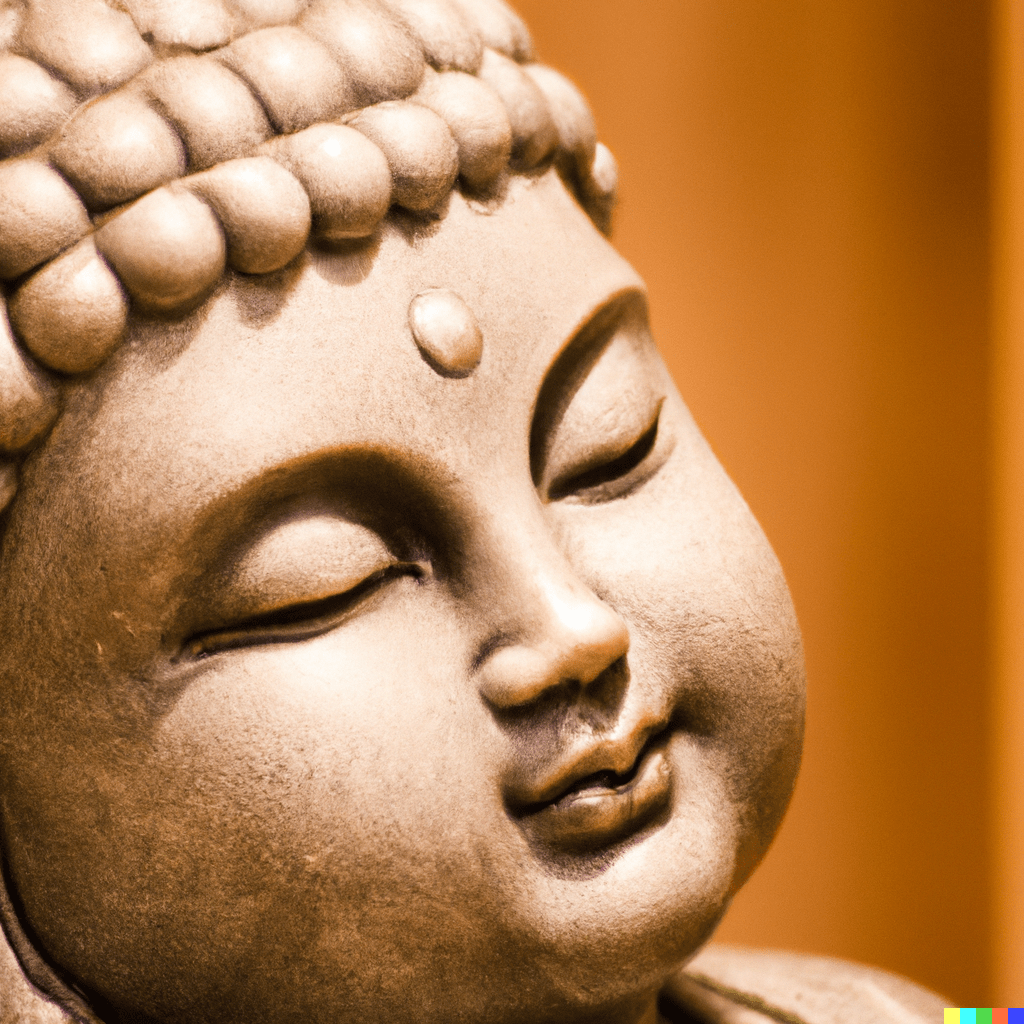
“Cold showers”, the latest buzzword in wellness. CEOs are doing it. Athletes are recommending it. Influencers can’t stop posting about it. The research has also shown benefits such as fat loss, mood regulation and mental resilience. At first, I was extremely skeptical about reversing our civilization’s journey towards a nice, hot shower every morning. However, this skepticism piqued my curiosity, and I took a detour to understand how dopamine works. Let’s break it down.
Dopamine. The reward hormone. It leads to pleasure and seeking motivation. When you do something hard: like a workout, hiking a trail, putting yourself in a difficult situation, it is triggered to make you feel better. This is almost an evolutionary way of motivating hard work. Conversely, when there is an excess of dopamine in your system, the opposite hormone called “dynorphin” kicks in. This hormone acts as an evolutionary guardrail, discouraging over-indulgence in sensual pleasure and helping you stay alert and focused, which is necessary for survival. This tango between pain-seeking and pleasure-seeking behavior worked well in the African savanna 70,000 years ago when finding food was a daily struggle and staying alert was crucial even after having your fill.
Welcome to 2023, where there are now countless ways to get instant pleasure, such as fast food joints, all-you-can-eat buffets, pornography, cigarettes, cheap liquor, substances, celebrity gossip, Netflix on your TV and dozens of apps on your phone.
However, it’s important to remember that spending hours on end reading celebrity gossip on the web or binge drinking can lead to negative feelings and anxiety as dopamine levels in your system subside. Your body is telling you to avoid these highs, so it’s essential to be mindful of the impact these instant pleasures can have on your overall well-being.
Cold showers hence can be effective due to their natural reverse simulation. They are the opposite of devouring Donuts by putting you through a painful experience that triggers the reward hormone and leaves you feeling good.
While we tend to view pain and pleasure as two distinct states of mind, it’s helpful to think of our minds as a dynamical system that is only in equilibrium when the two levers are balanced. Some amount of pain and hard work is necessary to feel good, while excessive sensual stimulation should be controlled. By striking a balance between the two, we can achieve a healthier state of mind.
Being Your Own Buddha
Self-help practices such as meditation, journaling, cardio, portion control and spending time in nature are all designed to help us establish a disciplined routine that triggers dopamine and signals behavioral change. While we may feel great after a workout, does it match the feeling of indulging in a large cheesecake?
If you’ve struggled to maintain self-help practices, like me, who made a New Year’s resolution to go to the gym every day but eventually made an excuse, the remedy lies in some self-awareness. Identify your source of cheap dopamine (no judgements here). For me, it was excessive Netflix consumption. The key is to get your brain bored by cutting off easy sources of pleasure, like avoiding dark thrillers and pot-boilers for a weekend. Doing so increases enthusiasm for more challenging activities like reading some difficult material, that I’d been putting off. By understanding your cravings and undergoing occasional fasts from easy pleasure, you can gain greater control over your life and become your own Buddha.
Designing A Local News Reader
We are developing a “Local News Reader” app for Gotham City, which will feature two types of content: a) local newspaper articles and b) public posts from local bloggers on social media. Our objective is to design a personalized ranking system that will cater to users’ preferences. We aim to achieve two primary outcomes with this system, inform and entertain users, which translate into engagement with content and the feeling of being well-informed.
To achieve these outcomes, we need to design controls (maybe models/algorithms) that can manipulate these two factors. However, these objectives can conflict with each other. For example, too much hard news from newspapers may make the app feel dull, leading to reduced engagement. On the other hand, featuring too much content from amateur bloggers may make the app appear like a trashy tabloid, hurting overall user sentiment. Therefore, we need to develop a personalized thermostat assisted with machine learning that aligns with our vision of providing wholesome local infotainment.
Overall, the system design becomes significantly simpler when we have clearly defined objectives, identified the levers we require and thought through the relationships among these levers.
Controls and tradeoffs
All dynamical statistical systems have controls and tradeoffs. Systems that rely on thousands of machine-learning models are no exception and have several mutually reinforcing or balancing controls.
Once you understand these controls, if you are an engineer, you can play the system like a harp.
If you’re a technical leader or product manager, your job is slightly more challenging. You need to take some long walks to reflect and ask yourself if the levers you’ve built align with your goals. If you’re aiming for a different outcome, you must consider what kind of levers you need to build.
 Amogh Mahapatra's Writings