Schopenhauer. Romance. AI-Singularity. Murderbot.
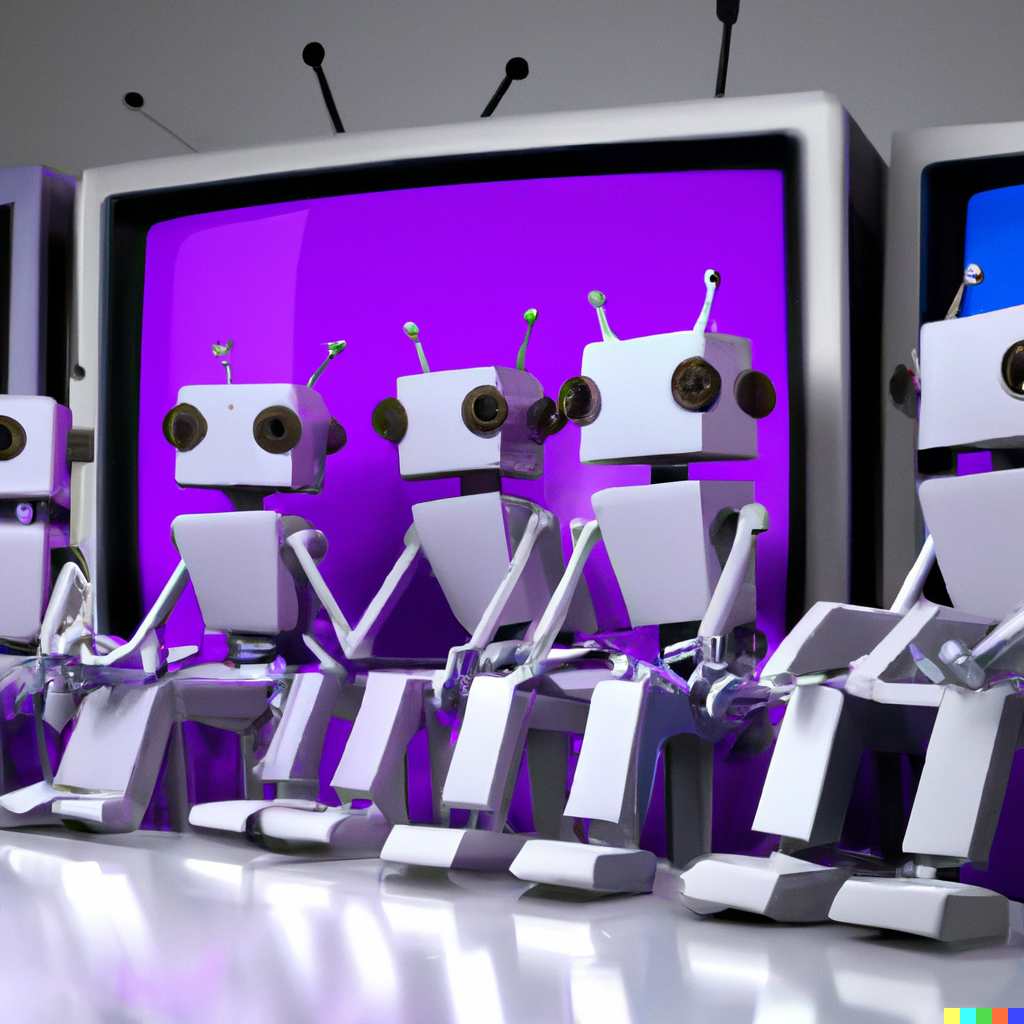
The question of free will and determinism arises in nearly every field once you delve deep enough into the rabbit hole. It is, after all, the ultimate inquiry of existence and a natural query for inquisitive minds. German philosopher Arthur Schopenhauer contributes a well-regarded and fiercely debated perspective: “A man can do what he wants, but not want what he wants.” In essence, you possess the freedom to act as you please, but beware, your actions are guided by your wishes and desires, which lie beyond your control.
If you take the aforementioned sentence literally, you will see it is not exactly true. It is definitely possible to some extent to shape your wants and dislikes. For example, through fasting, one can cultivate mental resilience, diminishing the desire for that donut alongside a cup of coffee. However, my intention is not to nitpick this wise man’s words and there are plenty who have already undertaken that task. Instead, let us step back and ponder: is knowing what one wants (given that is what drives us to do what we want) really that easy and natural? A cursory observation of our surroundings tells us it is not. Romantic movies, spiritual gurus, scientists, and writers all attempt to preach the path, the way to know what you want.
Consider romantic movies, where things inevitably fall into place. The shoplifting protagonist finds an honest companion, the slum dwelling high school dropout amasses a million bucks while answering questions in a game-show and the perennially losing soccer team triumphs within a single season. Such movies pay little heed to the principles of probability theory, embracing the notion of magic and the formula they espouse: “listen to your heart, it is always right.” It is a simplistic model, obviating the need to contemplate our wants, just “follow your heart.”
While this recipe may offer pleasant entertainment for viewers on the silver screen, spiritual gurus, such as Stoics, offer a contrasting perspective. They advocate domesticating the “heart” (forgive my sarcasm, for I too enjoy those romantic movies) through daily practices of temperance, restraint, and modesty. The illustrious Buddha himself discussed how our desires serve as the root of all troubles, propelling us onto the treadmill of endless seeking. Gratitude, acceptance, and self-control, according to him, provide the antidotes to breaking free from this cycle of hedonism.
I have employed these polar opposing examples to highlight the manipulation of desires. The dichotomy between “go with it” and “let it go.” Yet, my intention was not to offer a sardonic take on either side. Instead, I wish to draw your attention to the buzz surrounding artificial intelligence (AI) potentially overtaking the world and annihilating humanity. If and when we do invent inorganic artificial general intelligence, why are we so certain it will “desire to eliminate us”? Considering that we seem unable to ascertain “what we want” or “why we want, what we want” ourselves.
Is there a scientific method for us to know what we want, so that we may program it? Most professional computer scientists and mathematicians often shy away from expressing their opinions on such matters, fearing backlash on Twitter and being labeled unscientific or lacking rigor. Yet, that which science shies away from, science fiction boldly embraces, taking playful strides.
Some time ago, I encountered a captivating series of science fiction books known as “The Murderbot Diaries.” The main character is a destructive bot, purposefully designed for causing harm, manages to acquire a degree of autonomy by disabling its governor module. With the ability to act as it pleases, what does it choose to do? Surprisingly, it displays varying degrees of disinterest in its 9–5 job (of being a murderbot) and devotes most of its time to watching soap operas, grappling with the enigma of its own desires. Delightful! If one finds themselves perplexed about what they want in life at the moment, I hope they have access to some streaming subscriptions.
 Amogh Mahapatra's Writings